
No products in the cart.

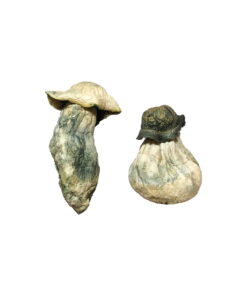
Vietnamese Magic Mushrooms

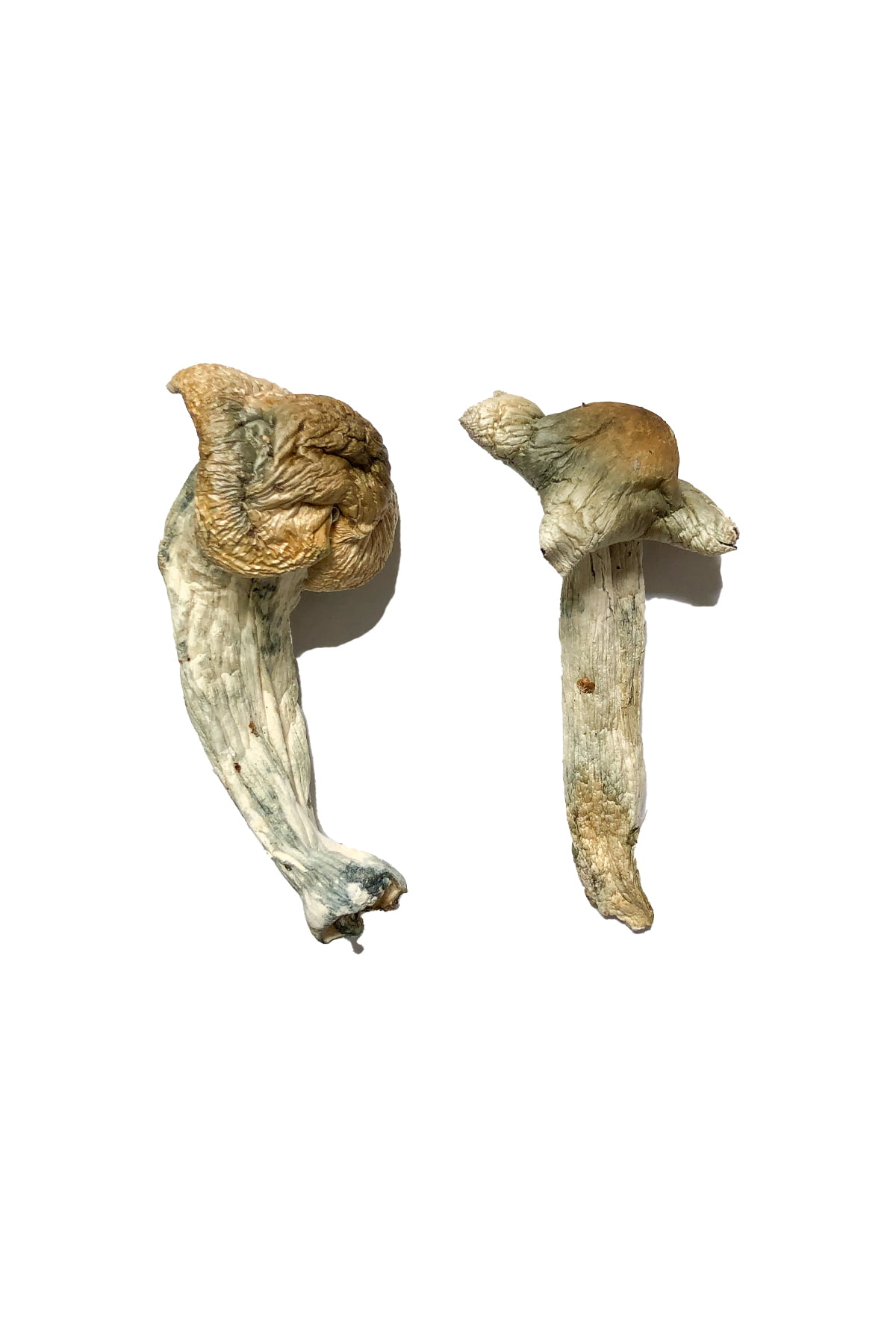
Price range: $11.00 through $159.00
Vietnamese Magic Mushrooms (Psilocybe cubensis) offer a unique psychedelic experience with visual enhancement, deep introspection, and altered perception. While some describe meaningful insights, these mushrooms carry psychological and physical considerations and are regulated by law in many countries.
Vietnamese Magic Mushrooms
Vietnamese magic mushrooms usually refers to a regional variety of Psilocybe cubensis, a species of mushroom known for containing the naturally occurring psychedelic compounds psilocybin and psilocin. As with many named varieties in the psychedelic world, “Vietnamese” is not a formal scientific category but a label used to describe a strain lineage believed to have origins linked to Southeast Asia.
Psilocybe cubensis is one of the most widely recognized species of psilocybin mushrooms, commonly referred to as magic mushrooms. These fungi have a long history of traditional ceremonial use in various cultures and are now being studied in modern research settings for their effects on the brain and mental health.
⸻
Appearance and General Characteristics
Vietnamese varieties of Psilocybe cubensis are often described as having classic cubensis features, which may include:
• Medium to large caps with a golden-brown to caramel color
• Slender to moderately thick stems
• Dark purple-brown spore prints
• Bluish bruising when handled, associated with psilocin oxidation
It’s important to understand that physical traits can vary widely even within the same named variety. Appearance alone does not reliably determine potency or predict the type of psychological experience someone may have.
⸻
Active Compounds: Psilocybin and Psilocin
Vietnamese magic mushrooms contain the same primary psychoactive compounds found in other Psilocybe cubensis varieties:
• Psilocybin – A naturally occurring compound that converts into psilocin in the body
• Psilocin – The substance responsible for the psychedelic effects
Psilocin interacts mainly with serotonin receptors in the brain, especially the 5-HT2A receptor, which influences mood, perception, cognition, and sense of self. This interaction leads to the altered states of consciousness associated with psychedelic experiences.
⸻
Reported Psychological and Sensory Effects
The effects of Vietnamese magic mushrooms are generally described as similar to other cubensis varieties, though individual reports often mention a balanced mix of visual stimulation and introspective thinking. However, experiences vary widely depending on personal sensitivity, emotional state, and environment.
Commonly reported effects include:
• Enhanced colors and visual patterns
• Altered sense of time
• Heightened emotional awareness
• Deep introspection and reflective thinking
• Increased sense of connection to surroundings or nature
• Changes in perception of identity, sometimes referred to as ego dissolution
Effects typically begin 30 to 60 minutes after ingestion, peak within a few hours, and gradually taper off over 4 to 6 hours. Some individuals report lingering emotional or reflective after-effects once the main experience ends.
⸻
Possibility of Challenging Experiences
Not all psychedelic experiences are positive. Vietnamese magic mushrooms, like all psilocybin-containing mushrooms, can sometimes produce difficult psychological reactions.
These may include:
• Anxiety or panic
• Confusion or disorientation
• Paranoia
• Overwhelming sensory changes
• Fear of losing control
Such experiences are more likely when someone is in a stressful environment, feeling emotionally unstable, or unprepared for the intensity of the effects.
⸻
Physical Effects on the Body
Psilocybin mushrooms are not considered physically addictive, but temporary physical side effects can occur, including:
• Nausea or stomach discomfort
• Increased heart rate
• Dilated pupils
• Sweating or chills
• Dizziness
Digestive discomfort is common because mushrooms contain chitin, a fibrous substance that some people have difficulty digesting.
⸻
Mental Health Considerations
In recent years, psilocybin has been studied in clinical research for potential benefits in treating depression, PTSD, addiction, and end-of-life anxiety. These studies take place in controlled medical or therapeutic environments with screening and professional support.
Outside these settings, psychedelic use can pose risks, especially for individuals with:
• A personal or family history of psychotic disorders
• Schizophrenia spectrum conditions
• Bipolar disorder
• Severe anxiety disorders
Psychedelics may intensify underlying mental health conditions or trigger latent issues in vulnerable individuals.
⸻
Tolerance and Use Patterns
Psilocybin produces rapid tolerance, meaning its effects are reduced if used repeatedly within a short time. There is no strong evidence of physical dependence, but psychological overuse can happen if someone relies on the experience to avoid dealing with emotional challenges.
⸻
The Importance of Set and Setting
A key concept in psychedelic education and research is “set and setting.”
• Set (mindset): A person’s mood, expectations, and emotional state
• Setting (environment): Physical surroundings and social context
A calm, safe environment and stable emotional state are associated with more positive experiences, while chaotic or stressful settings increase the likelihood of anxiety or panic.
⸻
Legal Status
Vietnamese magic mushrooms contain psilocybin, which remains illegal in many parts of the world. Some regions have decriminalized possession or allow limited medical or research use, but laws vary widely and continue to evolve. Legal consequences can include fines or imprisonment depending on local regulations.
| Quantity | 1 gram, 3.5 grams, 7 grams, 14 grams, 28 grams |
|---|
Reviews
There are no reviews yet.
Related products

Psilocybin Mushrooms For Sale
Price range: $12.50 through $175.00

Psilocybin Mushrooms For Sale
Price range: $17.00 through $210.00

Psilocybin Mushrooms For Sale
$155.00

Psilocybin Mushrooms For Sale
Price range: $13.00 through $185.00
Psilocybin Mushrooms For Sale
Price range: $15.00 through $209.00
Psilocybin Mushrooms For Sale
Price range: $17.00 through $210.00
Psilocybin Mushrooms For Sale
Price range: $19.00 through $310.00

Psilocybin Mushrooms For Sale
Price range: $13.00 through $165.00
Be the first to review “Vietnamese Magic Mushrooms”