
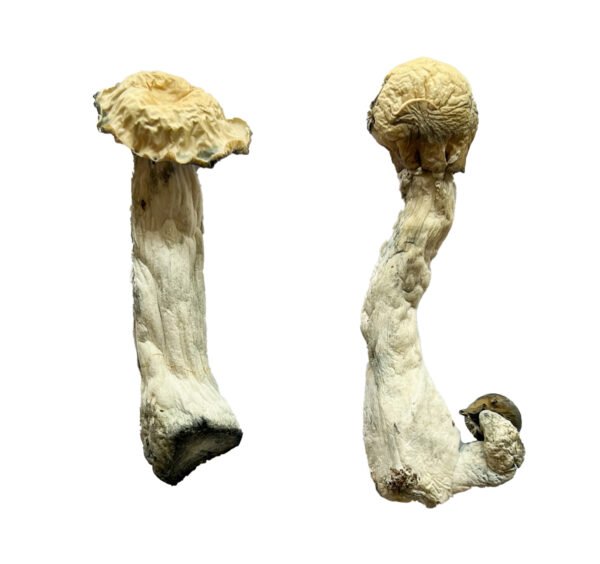
Shakti Magic Mushrooms
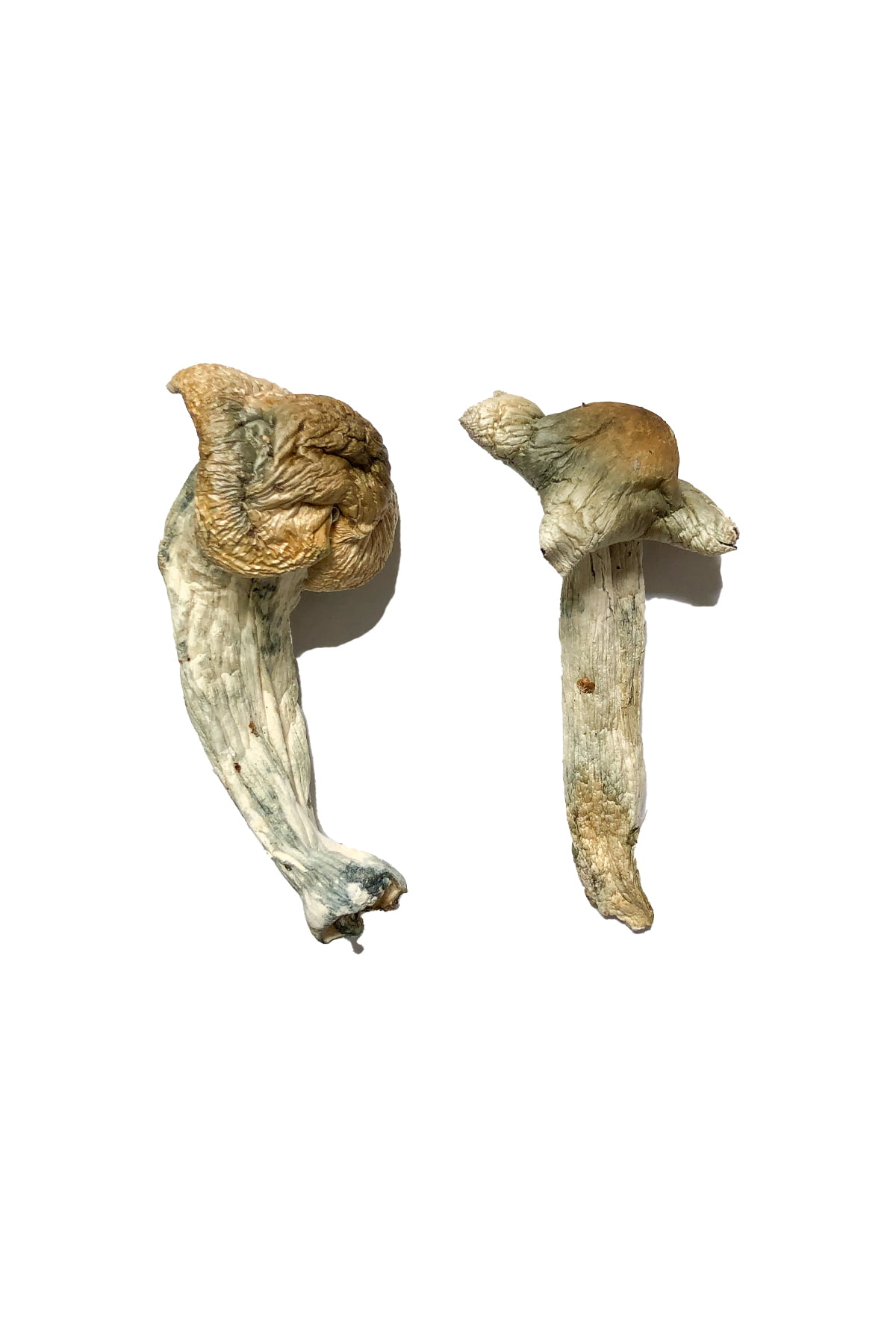
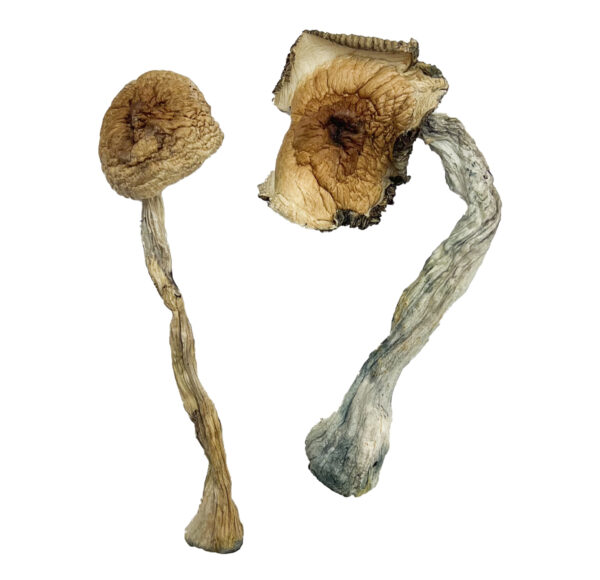
Price range: $13.00 through $199.00
Shakti contains the naturally occurring compounds psilocybin and psilocin, though potency can vary widely depending on genetics and growing conditions. Conversations about this variety typically focus on identification, lineage, and taxonomy rather than standardized strength comparisons.
Shakti Magic Mushrooms
Shakti Magic Mushrooms also known as Shataki or Albino Malabar Magic Mushrooms, this is an albino variation of the famous Malabar strain that originates from the Indian Malabar Coast. Where to buy Shakti mushrooms in the northwest (Oregon)
Shakti, commonly known as Albino Malabar, is a distinctive variety of Psilocybe cubensis discussed in mycology and mushroom taxonomy communities. It is considered an albino-style isolation of the Malabar Coast lineage, a cubensis variety historically linked to the southwestern coastal region of India. The name “Shakti” comes from a Sanskrit word meaning power or divine energy, reflecting the strain’s reputation for visual uniqueness and notable potency discussions among enthusiasts.
Unlike standard golden-capped cubensis mushrooms, Shakti is known for its pale coloration and thick structure, which immediately sets it apart visually.
⸻
Origins of the Malabar Lineage
The Malabar Coast strain of Psilocybe cubensis has long been referenced in mushroom identification circles as a tropical variety associated with warm, humid climates. Over time, cultivators and collectors began isolating unique genetic expressions from this lineage. Shakti is believed to be one such stabilized albino expression, selectively preserved for its physical traits rather than being a completely separate species.
As with many named cubensis strains, Shakti represents a genetic variation within the same species, rather than a fundamentally different type of mushroom.
⸻
Physical Characteristics of Shakti Mushrooms
Shakti (Albino Malabar) mushrooms are typically recognized for several distinctive features:
Pale, Albino-Leaning Appearance
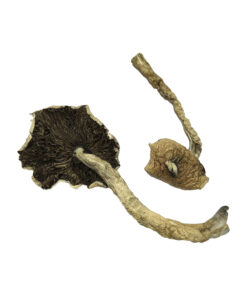
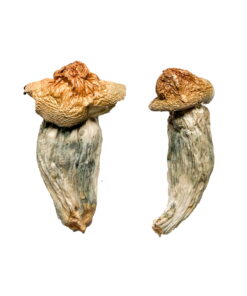
Shakti mushrooms often display whitish or cream-colored stems and caps, lacking the darker brown or caramel tones seen in many other cubensis strains. This pale look is why they’re frequently labeled “albino,” though technically they may be leucistic (reduced pigmentation rather than true albinism).
Thick, Dense Stems
One of the most talked-about traits is the solid, chunky stem structure. These mushrooms often grow shorter but denser than average cubensis varieties.
Rounded or Compact Caps
Caps tend to be rounded and sometimes underdeveloped, especially compared to wide-opening strains. This gives Shakti mushrooms a compact, sturdy appearance.
Bluing Reaction
Like other psilocybin-containing mushrooms, Shakti specimens may show blue bruising when handled, which is a normal reaction linked to the oxidation of psilocin compounds.
⸻
Potency Reputation and Variability
In community discussions, Shakti (Albino Malabar) is often described as having a strong potency reputation, similar to other dense, slow-growing cubensis varieties. However, it’s important to understand that:
• Potency can vary widely
• Growing conditions, genetics, and storage all influence chemical content
• Strain names are not scientific guarantees of strength
All Psilocybe cubensis mushrooms contain the psychoactive compounds psilocybin and psilocin, but concentration levels differ from batch to batch. Because of this, comparisons between strains are largely based on anecdotal reports rather than controlled lab testing.
Albino Mushroom Varieties Explained
Albino or leucistic cubensis varieties like Shakti are valued for their unique pigmentation genetics. Reduced pigment does not mean the mushroom lacks active compounds — it simply changes how it looks. Other well-known pale cubensis varieties include Albino A+ and Albino Penis Envy, though each has different growth patterns and physical structure.
⸻
Legal and Research Context
Psilocybin mushrooms, including Shakti (Albino Malabar), are illegal in many parts of the world, though regulations vary by country and region. At the same time, psilocybin is being studied in controlled clinical settings for potential roles in mental health research, including depression, PTSD, and anxiety-related conditions.
| Quantity | 1 gram, 3.5 grams, 7 grams, 14 grams, 28grams |
|---|
Reviews
There are no reviews yet.
Related products

Psilocybin Mushrooms For Sale
Psilocybin Mushrooms For Sale
Psilocybin Mushrooms For Sale
Psilocybin Mushrooms For Sale
Psilocybin Mushrooms For Sale

Psilocybin Mushrooms For Sale
Psilocybin Mushrooms For Sale
Psilocybin Mushrooms For Sale
Be the first to review “Shakti Magic Mushrooms”