
Quezon Magic Mushroom
Price range: $10.00 through $149.00
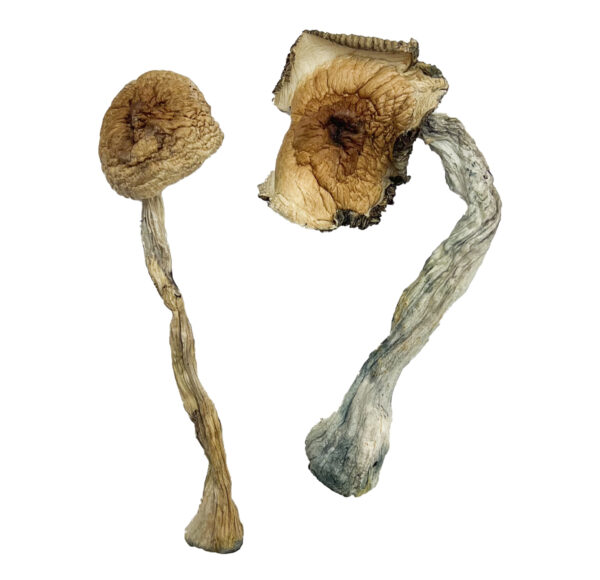
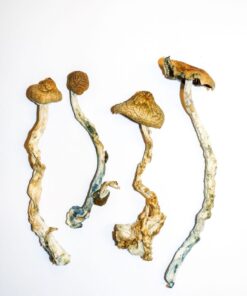
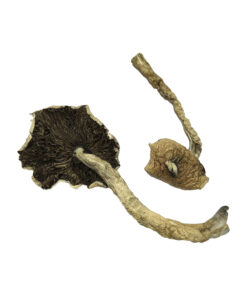
Quezon is a regionally named variety of Psilocybe cubensis linked to the tropical Quezon area of the Philippines. It’s typically described as having classic cubensis features, including caramel-to-golden brown caps, pale sturdy stems, and a familiar umbrella-like shape as it matures. In mycology discussions, Quezon is noted more for its geographic origin and traditional morphology than for unusual mutations or albino traits. Like all cubensis varieties, its physical characteristics can vary depending on genetics and environmental conditions.
Quezon Magic Mushroom
Quezon Magic Mushrooms is a strain originally found in the city of Quezon, Philippines. The geographic location of the Philippines makes it an ideal place for wild mushrooms to grow. Its warm and humid climate is perfect for shrooms to start fruiting after a tropical rainfall. Expect average to above average potency.
The Quezon magic mushroom is a regionally named variety of Psilocybe cubensis, a species of mushroom known for naturally producing the compounds psilocybin and psilocin. The name “Quezon” is linked to Quezon Province in the Philippines, a tropical region where wild cubensis mushrooms have historically been found growing in natural environments.
Like most named cubensis strains, Quezon is not a separate species but rather a geographic lineage or regional variant. Its identity is tied to origin, appearance, and growth traits rather than formally defined scientific differences.
⸻
Geographic Roots: The Philippines Connection
The Philippines has a warm, humid tropical climate, which provides ideal natural conditions for Psilocybe cubensis. Regions like Quezon support the growth of many fungi species due to:
• Consistent rainfall
• Warm temperatures year-round
• Lush vegetation and fertile soil
Because of these environmental factors, Southeast Asia has contributed several recognized cubensis lineages to global mycology communities. Quezon is one of the varieties associated with this region and is often discussed in the context of wild tropical cubensis strains.
⸻
Physical Characteristics of Quezon Mushrooms
Quezon mushrooms are generally described as having classic cubensis morphology, meaning they resemble the traditional shape and color most people associate with this species.
Cap Appearance
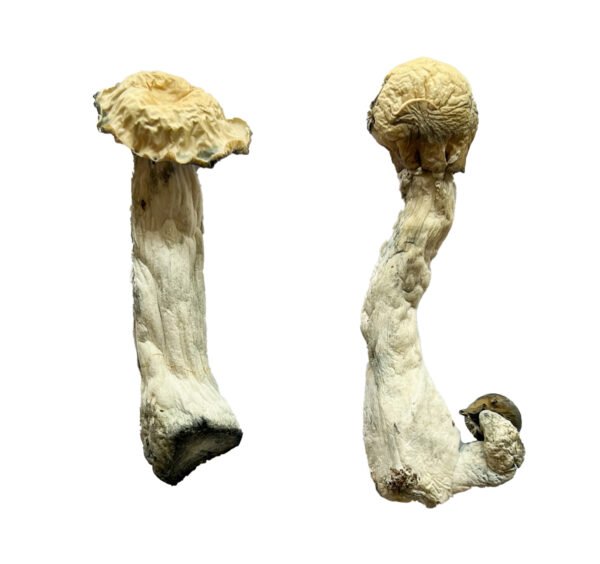
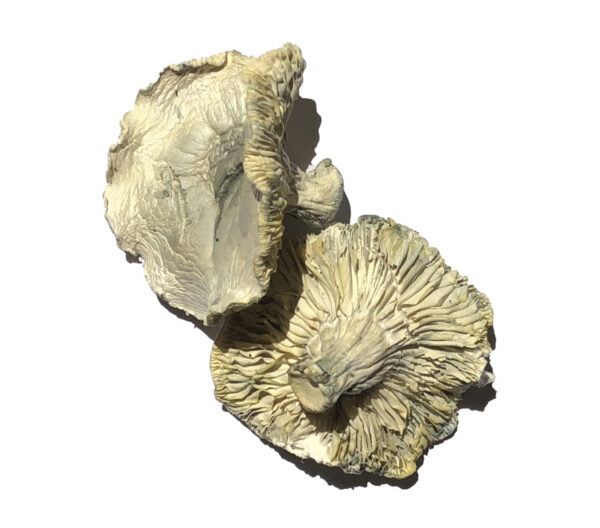
Caps typically range from light golden brown to caramel in color. When young, they may appear rounded or bell-shaped, gradually expanding into a more umbrella-like form as they mature. A slightly darker center is sometimes noted, which is common among many cubensis varieties.
Stem Structure
The stems are usually medium to thick and fairly sturdy. They tend to be pale in color and may show bluish bruising when handled. This blue coloration is a normal reaction associated with the oxidation of psilocin compounds present in the mushroom.
Size and Growth Pattern
Quezon mushrooms are often described as producing medium to large fruiting bodies, though size can vary depending on environmental conditions and genetics. Compared to more unusual cubensis variants, Quezon maintains a traditional, recognizable mushroom shape.
⸻
Potency Reputation and Variability
In mushroom enthusiast and identification circles, Quezon is often considered a balanced or average-to-strong cubensis variety in terms of reputation. However, it’s important to understand that:
• Potency varies widely between individual samples
• Environmental conditions strongly affect chemical composition
• Strain names are not precise scientific indicators of strength
All Psilocybe cubensis mushrooms contain psilocybin and psilocin, but concentration levels differ based on genetics, growing conditions, and storage. Because of this variability, strain reputation should be viewed as informal community discussion rather than laboratory classification.
Why Regional Strains Like Quezon Matter
Regional names like Quezon help mycologists and mushroom historians trace the spread and diversity of Psilocybe cubensis around the world. These names reflect:
• Natural habitats where mushrooms were documented
• Environmental adaptation traits
• Cultural and geographic significance
Rather than being laboratory-engineered, Quezon represents a naturally occurring lineage that gained recognition due to its origin.
⸻
Scientific and Research Context
Psilocybin, the primary compound found in cubensis mushrooms, is currently being studied in controlled medical and psychological research. Areas of investigation include:
• Depression
• Anxiety associated with serious illness
• PTSD
• Addiction and substance use disorders
Although research interest is expanding globally, psilocybin mushrooms remain illegal in many countries, and regulations vary widely by location. Discussions about specific strains like Quezon are best understood in scientific, ethnomycological, and educational contexts.
| Quantity | 1 gram, 3.5 grams, 7 grams, 14 grams, 28 grams |
|---|
Reviews
There are no reviews yet.
Related products

Psilocybin Mushrooms For Sale
Psilocybin Mushrooms For Sale
Psilocybin Mushrooms For Sale
Psilocybin Mushrooms For Sale

Psilocybin Mushrooms For Sale
Psilocybin Mushrooms For Sale
Psilocybin Mushrooms For Sale
Psilocybin Mushrooms For Sale
Be the first to review “Quezon Magic Mushroom”